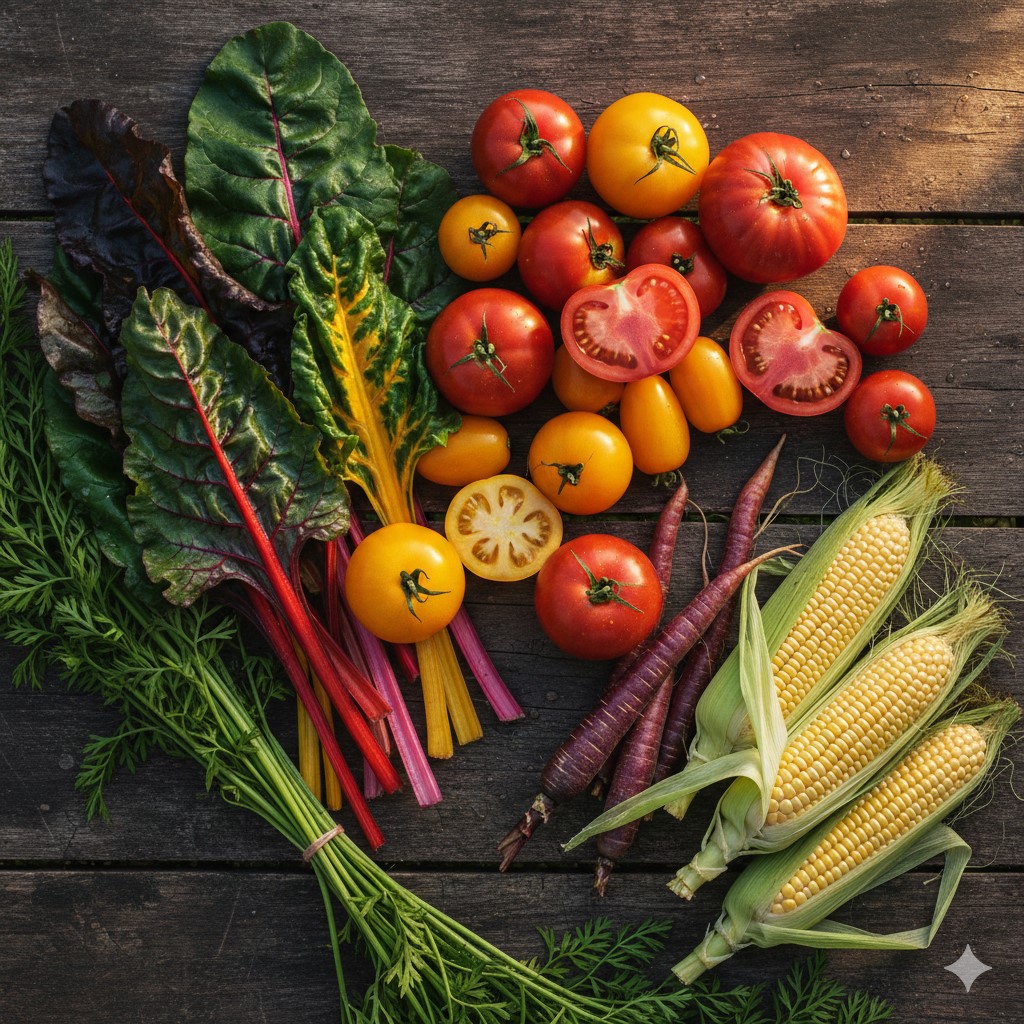

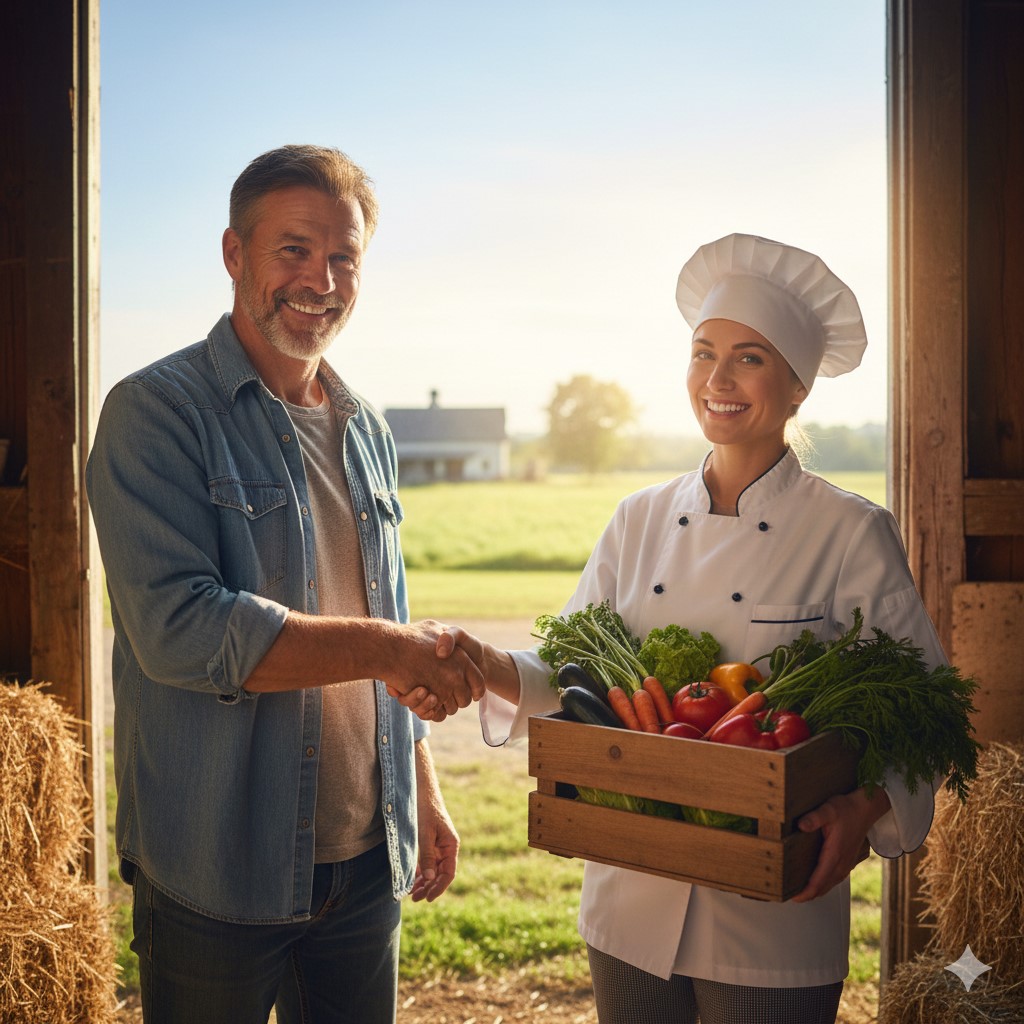
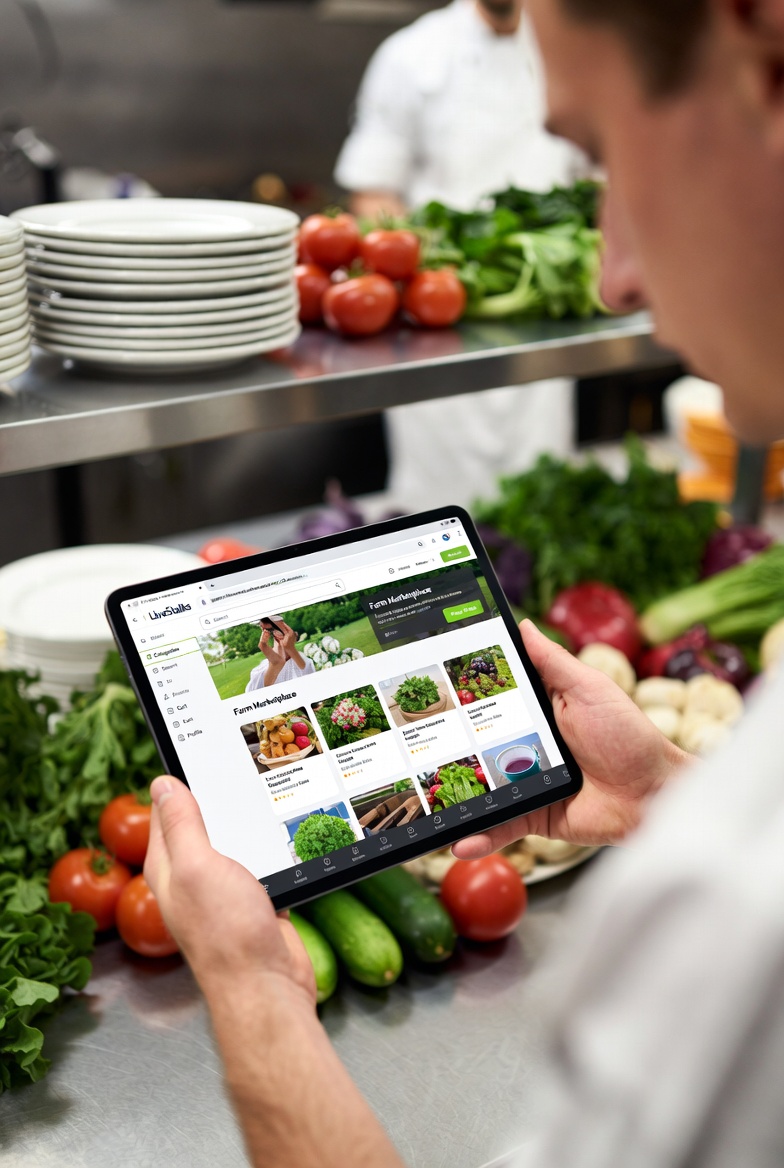
Something remarkable happens when a chef in Dover, NH goes in our app and orders from a farm ten miles away โ€” not a distributor in New Jersey. The tomatoes that arrive in the kitchen the next morning were still on the vine twenty-four hours before. They smell like summer. They taste like the earth they grew in. And every dollar paid for them stays right here in the community, cycling through neighbors and local businesses rather than disappearing into a distant corporate supply chain.

At LiveStalks, we believe this connection โ€” farm to kitchen, community to table โ€” is one of the most powerful forces for good in any region. Our mission is simple: Grown Local... Served Local... And the reasons why this matters go far deeper than the plate.

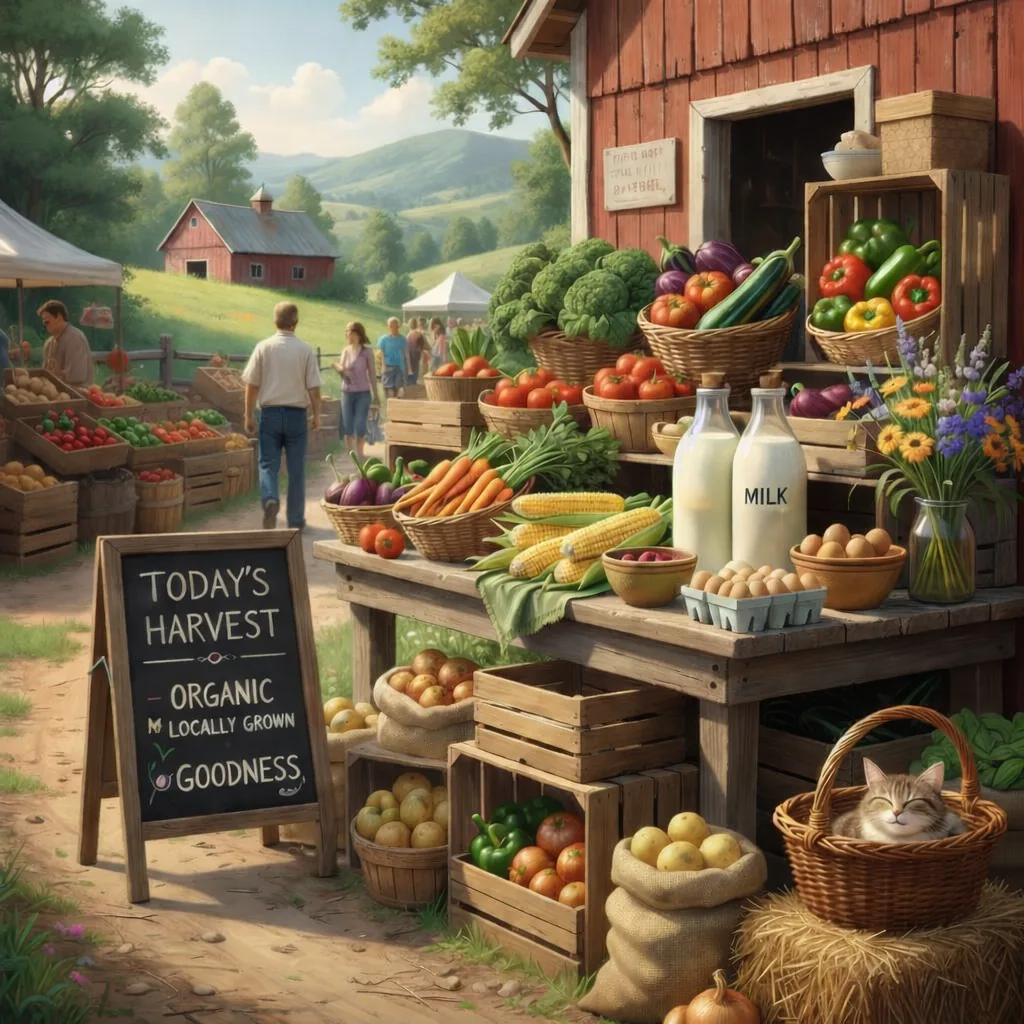
Fresh locally harvested vegetables at a Maine farmstand

Fresh from the farm โ€” local produce at its peak.

The Nutritional Edge of Farm-Fresh Food

One of the most compelling and still least talked about, benefits of locally grown food is what it does for your body. The moment a vegetable is harvested, it begins losing nutrients. Vitamins, particularly vitamin C and folate, degrade rapidly after picking. Produce that travels 1,500 miles in a refrigerated truck over five to seven days arrives at your kitchen a shadow of its nutritional self.

Farm-fresh food from a local source, harvested within 24 to 48 hours of delivery, retains dramatically more of its vitamins, minerals, and phytonutrients. Studies have consistently found that the antioxidant content of produce like spinach, broccoli, and tomatoes begins to decline significantly within days of harvest. Eating locally isn't just a feel-good choice โ€” it's a genuinely healthier one.

"We get deliveries from farms that picked these veggies yesterday. You can taste the difference โ€” the sweetness in the corn, the depth in the tomatoes. No distributor can offer that." โ€” A LiveStalks restaurant partner, Southern Maine

Beyond vitamins, local produce is often grown using more sustainable, soil-conscious methods by small family farms that cannot afford โ€” or simply choose not to use โ€” the heavy chemical inputs typical of industrial agriculture. Healthier soil means more nutrient-dense food. Healthier food means healthier people. It's a chain that starts in the ground and ends at your table.

45% of
vitamin C
in spinach can be lost within 7 days of refrigerated storage
1,500
miles
the average distance food travels from an industrial farm to your plate
24
hours
from farm to restaurant kitchen, through LiveStalks in Maine & NH Grown Local... Served Local...
Vibrant fresh salad greens and vegetables from a local farm

Would you choose Farm Fresh or from a warehouse? Peak nutrition starts at the point of harvest โ€” not the store shelf.

The Community Impact of Choosing Local

Every dollar spent on local food is a vote for your community's economic health. When a restaurant in Portsmouth, NH sources ingredients from a farm in Eliot, Maine rather than a national food service distributor, that money stays in the regional economy. It pays the farmer's mortgage, funds their children's school supplies, and supports the local hardware store where they buy their equipment.

Research consistently shows that locally owned businesses recirculate a far higher percentage of their revenue within their local economy compared to chains and out-of-region suppliers. This multiplier effect is real, and it's powerful. A thriving local food system creates jobs, preserves farmland, and builds the kind of food security that no global supply chain can match.

The fragility of long supply chains was exposed dramatically in recent years โ€” pandemic disruptions, labor shortages, extreme weather events. Communities with robust local food networks weathered these storms far better. When the source of your food is ten miles away, not a thousand, you control your destiny.

Farmer and chef shaking hands at a local farm in Maine

The direct relationship between farmer and chef is at the heart of LiveStalks.

What Local Food Does for the Environment

The environmental case for local food is layered. Transportation is the most visible part: food miles matter. A tomato that travels 1,500 miles in a diesel-powered truck generates significantly more greenhouse gas than one delivered from a farm down the road. When LiveStalks routes produce from a Southern Maine farm to a Kittery or Portsmouth restaurant, the carbon footprint of that journey is a fraction of the national average.

But the environmental benefits go further. Local farms, particularly family-scale operations, tend to practice more sustainable agriculture โ€” crop rotation, cover cropping, reduced synthetic fertilizer use, and careful water management. These practices build soil health, reduce chemical runoff into waterways, and support biodiversity. When farms thriving financially, they have both the incentive and resources to invest in these stewardship practices.

Supporting local food systems is one of the most direct ways individuals and businesses can reduce their environmental footprint. And when chefs and restaurants make that commitment publicly โ€” listing farm sources on menus, talking about local suppliers โ€” they inspire their customers to do the same.

Aerial view of a sustainable family farm in Southern Maine

Sustainable farm practices protect the land for generations to come.

How Local Food Transforms Restaurant Menus

For chefs, the shift to local sourcing isn't just an ethical choice โ€” it's a creative revolution. When you source ingredients from a regional distributor, you get the same produce as every other restaurant in your market, available year-round, standardized and predictable. When you source through LiveStalks, you get something entirely different: the unexpected, the seasonal, the genuinely unique.

The Advantage of Seasonal Variety

Local farms grow varieties that never appear in national distribution channels โ€” heirloom tomatoes in fifteen colors, purple Viking potatoes, Romanesco cauliflower, watermelon radishes, Hakurei turnips. These ingredients aren't available from Sysco. They're available from a farm in Wells, Maine that has been developing its seed stock for decades.

When a chef features "Sun Gold tomatoes from Cedar Spring Farm" on a menu, that's not just a description โ€” it's a story. It tells the diner where their food came from. It builds a connection between the plate and the land. It creates a dish that cannot be replicated at any other restaurant in any other city. That specificity is priceless in a competitive dining market.

Chef plating a farm-to-table dish with local Maine vegetables

Local ingredients give chefs the creative palette to build truly unique dishes.

Seasonal Menus as a Competitive Edge

The best restaurants in the world have embraced seasonality not as a constraint but as a marketing advantage. When your spring menu features asparagus from a nearby farm and your summer menu shifts to local corn and squash blossoms, you're offering guests a reason to return โ€” a menu that is alive, evolving, and rooted in place.

LiveStalks makes this easier than ever. Our marketplace shows chefs in real time what's available from farms in their area. You can plan your weekly specials around what's coming out of the ground, communicate directly with farmers about upcoming harvests, and even send "wish requests" โ€” telling farms what you'd love to have so they can plan plantings accordingly. It's a dialogue between kitchen and field that didn't exist before.

"Local sourcing turns a menu item into a conversation. Guests ask about the farm. They come back for the season. They tell their friends." โ€” LiveStalks, Grown Local... Served Local...

Building Guest Loyalty Through Transparency

Today's diners are increasingly conscious of where their food comes from. A 2023 survey found that over 70% of restaurant guests say they are more likely to return to a restaurant that clearly communicates its local sourcing practices. Featuring farm names on menus, sharing harvest stories on social media, and training staff to talk about local suppliers creates a level of transparency and authenticity that no imported ingredient can replicate.

Chefs who partner with LiveStalks become part of a visible, verifiable food system โ€” one where every ingredient has a face, a name, and a location attached to it. That's not just good ethics. It's good business.

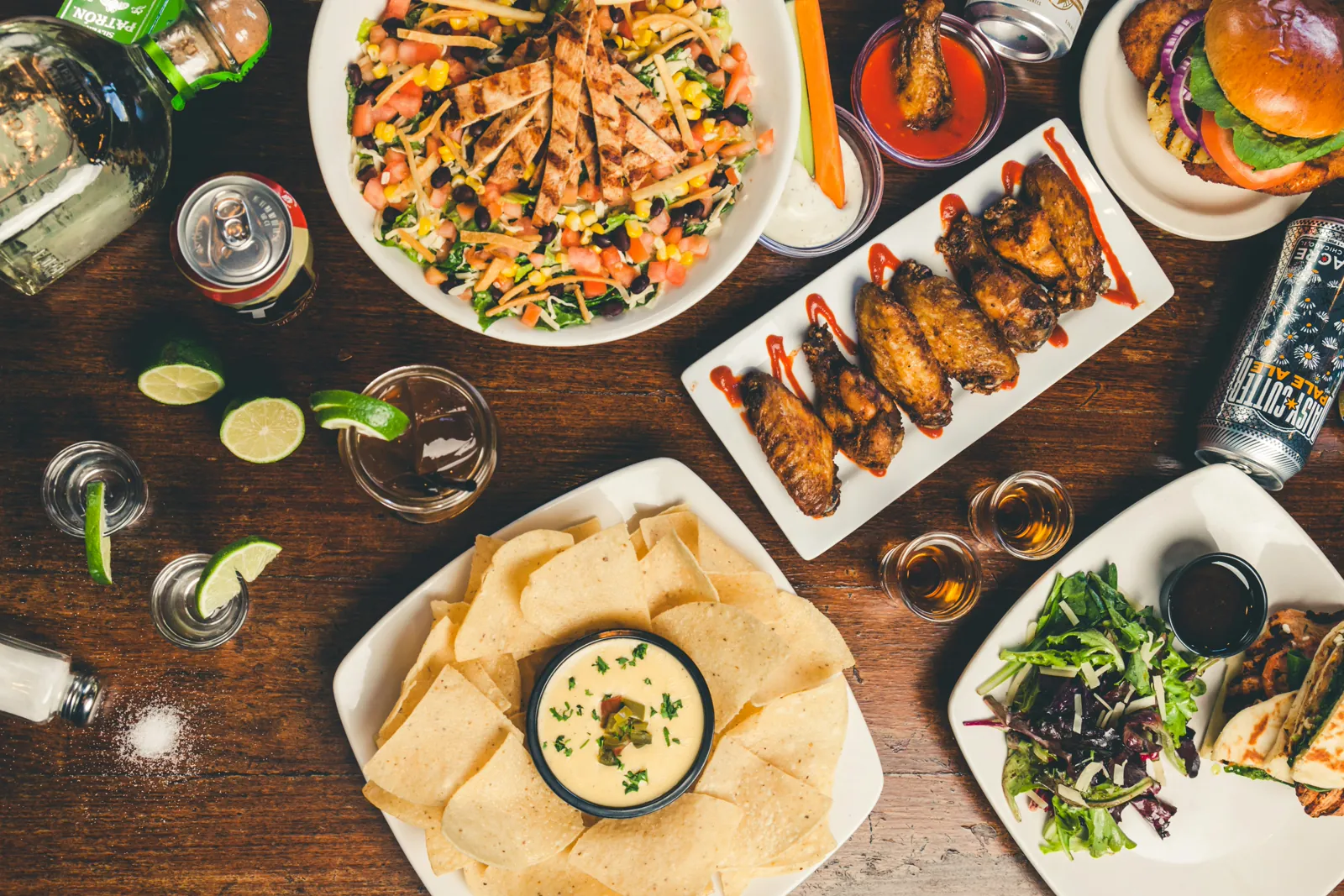
Farm-to-table restaurant in Maine featuring local farm ingredients on the menu

Local sourcing on the menu builds guest trust and loyalty.

LiveStalks: Building a Local Food Future in Maine & NH

LiveStalks was built on a simple belief: that connecting local farms directly to the restaurants and chefs who want to serve the best possible food should be easy, transparent, and fair to everyone involved. No middlemen taking 30โ€“50% margins. No produce aging in a distribution warehouse. No mystery about where your food was grown.

Our platform already connects farms and restaurants across Southern Maine and Seacoast New Hampshire โ€” and we're growing. Every new farm that joins the marketplace brings new ingredients, new stories, and new possibilities for the chefs who source from them. Every restaurant that joins brings a new audience for local agriculture.

Grown Local... Served Local... isn't just a tagline. It's a commitment โ€” to the farmers who tend the land, the chefs who honor it in their kitchens, and the communities that are nourished by both.

Chef using the LiveStalks marketplace app in a restaurant kitchen

The LiveStalks marketplace โ€” connecting kitchens to farms in real time.